Total solar eclipse occurs on August 12, 2026
A total solar eclipse is taking place on August 12, 2026, as the Moon passes between the Sun and the Earth. While the celestial event will be visible in regions including Spain, Iceland, and Greenland, it will not be observable from India. Consequently, traditional religious observances such as Sutak kaal do not apply within the country.
6 paksh9 articles
What Happened
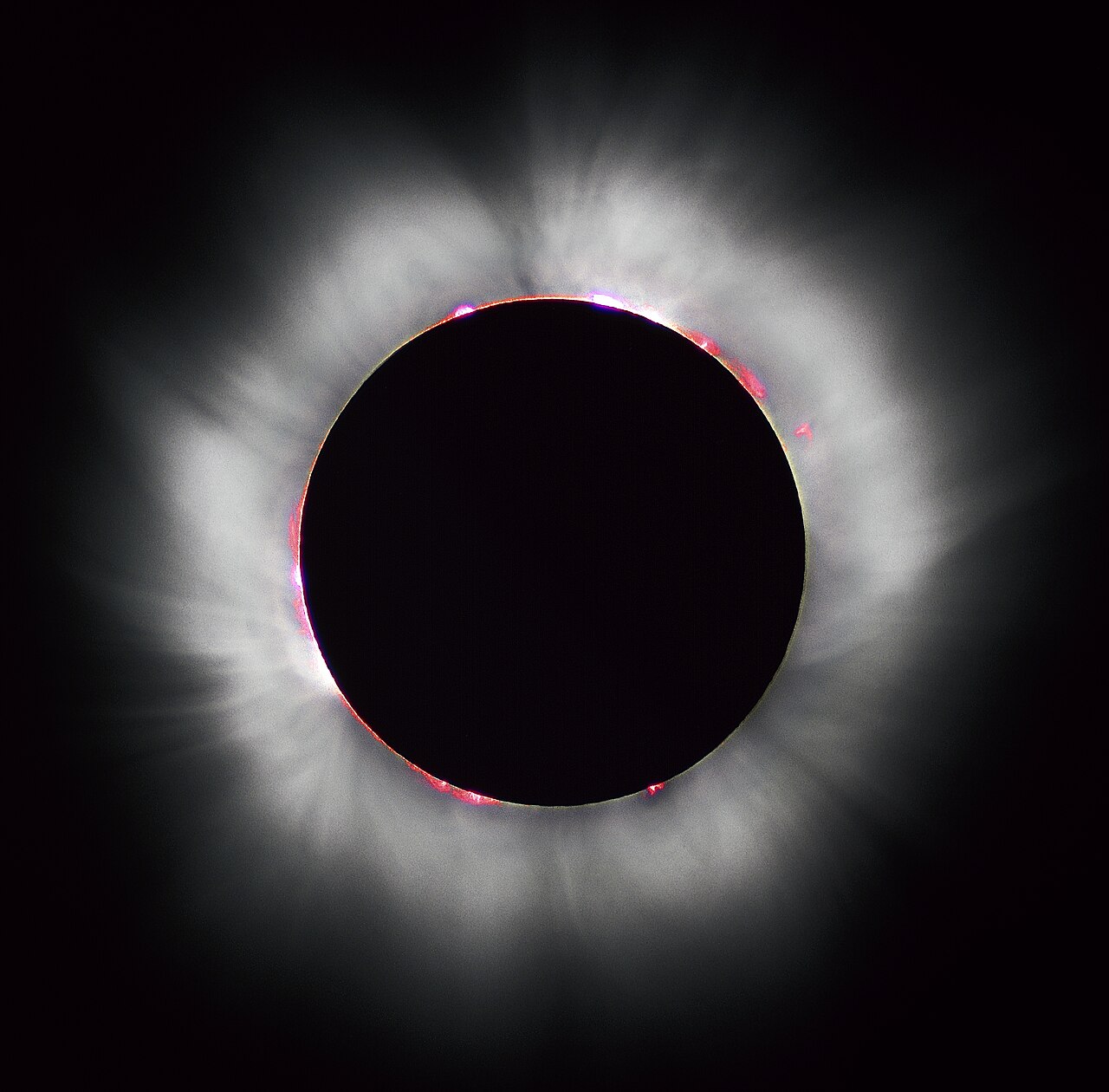
A total solar eclipse occurred on August 12, 2026, marking the second and final solar eclipse of the year. The event took place as the Moon aligned between the Sun and the Earth, casting a shadow on the planet and briefly turning day into night in specific parts of the world, including Spain, Iceland, and Greenland.
The eclipse was not visible from India, as the path of the phenomenon did not extend over the region. Because the event could not be observed locally, reports confirmed that customary religious practices and Sutak kaal restrictions were not applicable to the Indian population.
Key Facts
- The total solar eclipse occurred on August 12, 2026.Source not recorded
- The eclipse was visible in parts of the world including Spain, Iceland, and Greenland.Source not recorded
- The event was not visible from India.Source not recorded
- Sutak kaal observances do not apply in India for this eclipse.Source not recorded
- A solar eclipse occurs when the Moon passes directly between the Sun and the Earth.Source not recorded
The Timeline9
Every article on this story, in the order it was filed. We do not rank the outlets.
11 Aug
12 Aug
Show all 9 articlesShow fewer
CoverageWhat we read
Language reach
Dailies carrying this story, against the dailies we read in each language.
- English3 of 9
- Hindiहिन्दी1 of 2
- Marathiमराठी1 of 2
- Odiaଓଡ଼ିଆ1 of 2
Regional reach
Where this story reached, and where it did not. National mastheads and wire agencies circulate everywhere and are counted separately, not drawn on the map.
- None carried this
- No source registered
- 1 outlet
- 2 or more
- NorthCarried1 of 4
- WestCarried1 of 5
- Central IndiaNot carried0 of 1
- EastCarried1 of 5
- North-eastNot carried0 of 2
- SouthCarried1 of 10
11 of the 26 states we read have local coverage. Concentrated in the North. Also carried by 3 national mastheads.
About This Analysis
One summary, built from every source. No single newsroom's voice.
- 6
- Paksh
- 9
- Articles
- 5
- Key facts
Paksh: the sides a story is told from. 6 newsrooms filed on this one, and every filing is listed above.